If you’re planning to sell your home, you’re probably wondering how to increase property value without spending a fortune. The good news is that you don’t need a massive renovation budget to make your property more attractive to buyers.
Small, strategic upgrades can significantly boost your home’s market price. This guide walks you through practical, proven ways to increase property value before you list your home for sale.
Why Increasing Property Value Matters Before Selling
Buyers form an opinion within the first few minutes of viewing a property. If your home looks outdated or poorly maintained, buyers will negotiate the price down — sometimes by lakhs.
On the other hand, a well-maintained, updated home:
- Attracts more buyer inquiries
- Sells faster in a competitive market
- Justifies a higher asking price
- Reduces negotiation pressure
Understanding how to increase property value strategically helps you get maximum returns with minimum investment.
Step 1: Focus on Curb Appeal First
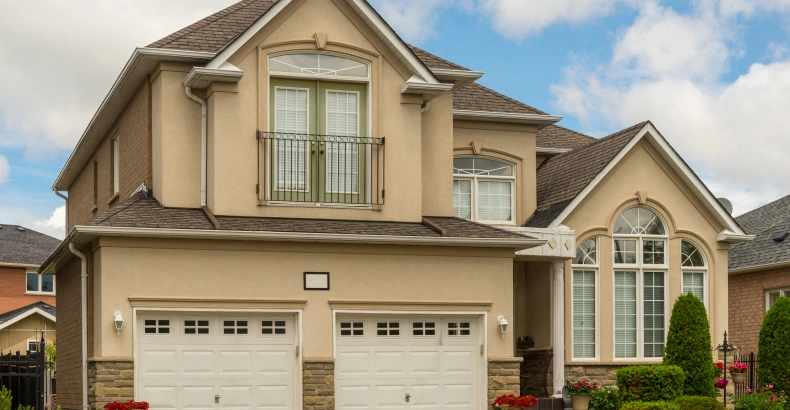
First impressions matter more than most sellers realize. Buyers often decide within seconds of seeing the exterior.
Simple upgrades that make a big difference:
- Repaint the main gate and boundary walls
- Maintain the lawn or garden area
- Fix broken tiles or pathways
- Add outdoor lighting near the entrance
(Internal link suggestion: link to “Low-Maintenance Garden Ideas for Busy Homeowners”)
A clean, welcoming entrance instantly increases perceived property value, even before buyers step inside.
Step 2: Repaint Interior Walls with Neutral Colors
Fresh paint is one of the most cost-effective ways to increase property value. Bright, neutral tones like white, beige, or light grey make rooms look larger and more modern.
Tips for maximum impact:
- Avoid bold or personal color choices
- Fix wall cracks and dampness before painting
- Use matte or satin finish for a premium look
(Internal link suggestion: link to “Interior Painting Cost Guide: What Affects the Price”)
Buyers associate freshly painted walls with a well-maintained home, which directly influences their offer.
Related guidance: First Time Home Buyer Guide: Steps Nobody Explains
Step 3: Upgrade the Kitchen Without a Full Renovation
The kitchen is often the deciding factor for buyers. But a full renovation isn’t always necessary.
Budget-friendly upgrades:
- Replace cabinet handles and hinges
- Repaint or reface cabinets instead of replacing them
- Fix leaking taps and outdated fittings
- Add modern lighting above the counter
These small changes can increase property value significantly without the cost of a complete kitchen overhaul.
Step 4: Modernize Bathrooms with Small Fixes
Bathrooms are heavily scrutinized during property visits. Buyers notice tiles, fittings, and cleanliness immediately.
Quick wins include:
- Re-grouting old or discolored tiles
- Replacing rusted taps and showerheads
- Fixing any water leakage issues
- Adding good ventilation or exhaust fans
Even minor bathroom updates can shift a buyer’s perception of the entire home’s value.
Step 5: Fix Structural and Maintenance Issues
Buyers — and their inspectors — will notice structural problems immediately. Ignoring these issues can drastically reduce your negotiating power.
Priority checklist:
- Repair roof leaks or damp patches
- Fix faulty electrical wiring
- Resolve plumbing issues
- Repair broken windows or doors
(Internal link suggestion: link to “Seasonal Home Maintenance Checklist You Shouldn’t Skip”)
A structurally sound home reduces buyer objections and helps you close deals faster at a better price.
Step 6: Improve Flooring Where It Matters Most
Worn-out or outdated flooring can make an otherwise good home look neglected.
Cost-effective flooring fixes:
- Polish existing marble or wooden floors instead of replacing them
- Replace broken or cracked tiles
- Consider vinyl flooring for a quick, affordable upgrade
(Internal link suggestion: link to “Best Flooring Options for Every Room in Your Home”)
Good flooring creates an immediate positive impression, which helps increase property value during buyer walkthroughs.
Step 7: Declutter and Stage the Home
Staging is one of the most underrated ways to increase property value perception. An empty or cluttered home feels smaller and less appealing.
Staging tips:
- Remove excess furniture to create open space
- Use neutral décor to help buyers visualize their own belongings
- Maximize natural light by opening curtains during viewings
- Keep all rooms clean and odor-free
A well-staged home often receives higher offers compared to a cluttered one, even with identical specifications.
Step 8: Highlight Energy-Efficient Features
Energy efficiency is becoming a strong selling point for Indian buyers due to rising electricity costs.
Features that add value:
- Solar water heaters
- LED lighting throughout the home
- Proper insulation and ventilation
- Water-saving fixtures
Marketing these features clearly in your listing can help increase property value in the eyes of cost-conscious buyers.
FAQs: How to Increase Property Value
1. What adds the most value when selling a home? Kitchen and bathroom upgrades, fresh paint, and fixing structural issues typically add the most value.
2. Is it worth renovating before selling a house? Small, targeted renovations are usually worth it, but large-scale renovations may not always give a proportional return.
3. How much does fresh paint increase property value? Fresh paint can increase perceived value significantly and often leads to faster sales at asking price.
4. Does home staging really increase property value? Yes, staged homes often receive higher offers because buyers can better visualize living in the space.
5. Should I fix structural issues before selling? Yes, unresolved structural issues reduce buyer trust and give them leverage to negotiate a lower price.
6. How long before selling should I start home improvements? Ideally, start 2-3 months before listing to allow time for repairs, painting, and staging.
Conclusion
Knowing how to increase property value before selling can make a real difference in your final sale price. From curb appeal and fresh paint to kitchen updates and staging, small strategic changes often deliver the biggest returns.
Key takeaways:
- Prioritize curb appeal and first impressions
- Fix structural and maintenance issues before listing
- Stage your home to help buyers visualize living there
- Highlight energy-efficient features to attract modern buyers
Ready to get your home sale-ready? Start with a walkthrough checklist today and tackle the highest-impact upgrades first — your future buyer’s first impression starts at the front door.