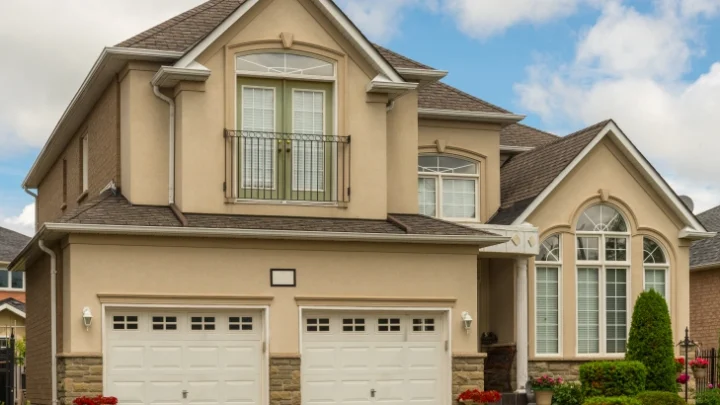
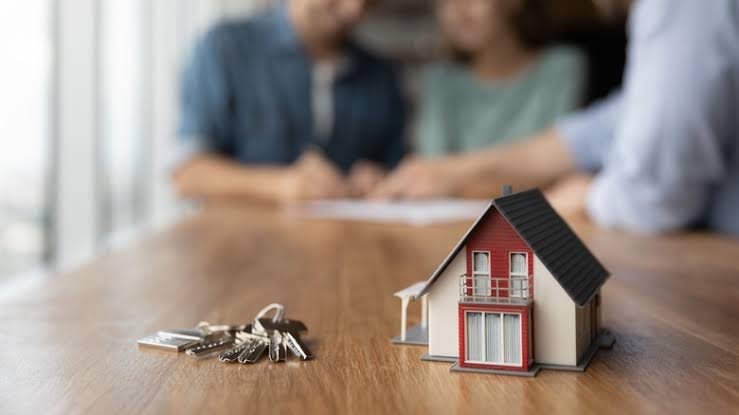
Most articles cover the basics — save for a down payment, get a loan, find a house. But this first time home buyer guide goes further, covering the lesser-known steps that catch new buyers off guard. From understanding possession timelines to navigating post-purchase paperwork, there’s a lot that happens between “loan approved” and “keys in hand” that rarely gets explained clearly. If you’re preparing to buy your first home, this guide walks you through the full journey, including the steps most first-time buyers only discover the hard way.
Step 1: Understand Your Total Eligibility, Not Just Loan Approval
Loan approval tells you what a bank will lend, but it doesn’t tell you what you should actually spend. This is one of the most overlooked parts of any first time home buyer guide.
- Banks typically approve loans based on income, but don’t account for lifestyle expenses
- Factor in existing EMIs, monthly expenses, and future financial goals before finalizing a budget
- Leave a buffer of at least 10-15% above your loan EMI for maintenance and unexpected costs
Tip: Just because a bank approves a higher loan amount doesn’t mean it’s the right amount for your actual financial comfort.
Step 2: Get a Property Valuation Before Negotiating
Most first-time buyers negotiate based on the seller’s asking price alone, without an independent property valuation. This is a step often missing from a typical first time home buyer guide.
- Hire an independent valuer or use bank valuation reports as a reference point
- Compare valuation against recent transactions in the same locality
- Use the valuation gap, if any, as leverage during price negotiations
An independent valuation protects you from overpaying, especially in markets where asking prices are inflated beyond fair value.
Step 3: Understand the Difference Between Carpet Area and Built-Up Area
This is a detail that trips up nearly every first-time buyer, and it’s rarely explained clearly.
- Carpet area: The actual usable floor space within walls
- Built-up area: Carpet area plus wall thickness and balcony space
- Super built-up area: Built-up area plus a share of common spaces like lobbies and stairwells
Since pricing is often quoted per square foot of super built-up area, understanding this difference helps you accurately compare properties and avoid overpaying for space you won’t actually use.
(Internal link opportunity: link to a related article on “How to Verify Property Documents Before Buying”)
Related guidance: Increase Property Value Before Selling: 8 Smart Steps
Step 4: Budget for Post-Purchase Costs Early
A complete first time home buyer guide should prepare you for costs that arrive after possession, not just before it.
- Society formation or transfer charges
- Utility connection deposits (electricity, water, gas)
- Basic interior work, even in “ready-to-move” homes
- Moving and packing expenses
Many buyers exhaust their entire budget on the purchase itself, leaving little room for these essential post-purchase costs.
Step 5: Know the Real Timeline for Possession
Builders and sellers often quote optimistic timelines, but understanding realistic possession timelines is a step most guides skip entirely.
- Under-construction properties frequently see delays of 6-18 months beyond the promised date
- Check the builder’s track record on previous projects before committing
- Include a clause for compensation in case of possession delays, where applicable under RERA
Being financially and mentally prepared for possible delays prevents unnecessary stress during the waiting period.
(Internal link opportunity: link to a related article on “How Long Does a Roof Last? Lifespan by Material Type” — for post-possession maintenance planning)
Step 6: Don’t Skip the Final Walkthrough Inspection
Before taking possession, a final walkthrough is essential — yet many first-time buyers skip this step entirely, assuming everything is in order.
- Check all fittings, switches, and taps for proper functioning
- Verify that promised amenities match what was advertised
- Take photos and videos as documentation of the property’s condition
- Note any pending work and get it in writing with a completion timeline
This step protects you from inheriting unfinished work or defects that become your responsibility after possession.
Step 7: Understand What Happens After Registration
Registration isn’t the final step — there are a few administrative tasks that follow, which most guides don’t mention.
- Update your address across bank accounts, ID proofs, and official documents
- Apply for utility connections and property tax registration in your name
- Keep certified copies of all registration documents in a safe location
- Register with the housing society or resident welfare association
Completing these steps promptly ensures a smoother transition into your new home without administrative delays later.
Frequently Asked Questions
1. What is the most overlooked step in the home buying process? Understanding post-purchase costs like society charges, utility deposits, and interior work is one of the most commonly overlooked steps.
2. What’s the difference between carpet area and built-up area? Carpet area is the actual usable space, while built-up area includes wall thickness, and super built-up area adds shared common spaces.
3. How long do under-construction properties typically get delayed? Delays of 6-18 months beyond the promised timeline are common, so it’s wise to plan finances with some buffer time in mind.
4. Is a final walkthrough inspection really necessary? Yes, a final walkthrough helps identify unfinished work or defects before you take possession, protecting you from inheriting issues later.
5. What should I do immediately after property registration? Update your address on official documents, apply for utility connections, and register with the housing society promptly after registration.
6. How much should I budget beyond the property price? Beyond the purchase price, budget an additional 8-12% for registration, stamp duty, interiors, and post-possession costs.
Conclusion
This first time home buyer guide covers the steps that often go unmentioned — from understanding carpet area calculations to planning for post-possession costs and delays. Being aware of these lesser-known steps helps you approach the home-buying process with realistic expectations and fewer surprises along the way. Take your time at each stage, ask questions, and don’t hesitate to seek professional guidance when needed. Ready to continue your home-buying journey? Explore our related guides on property documentation and resale value for a complete, informed approach.