If your home feels cramped, chaotic, or overwhelming despite regular cleaning, the answer might not be more storage — it might be minimalist interior design. This approach focuses on simplicity, functionality, and intentional choices rather than filling every corner with furniture and decor.
This guide shares practical, easy-to-follow tips to help you embrace minimalist interior design and create a calmer, clutter-free home, without losing warmth or personality.
What Minimalist Interior Design Really Means
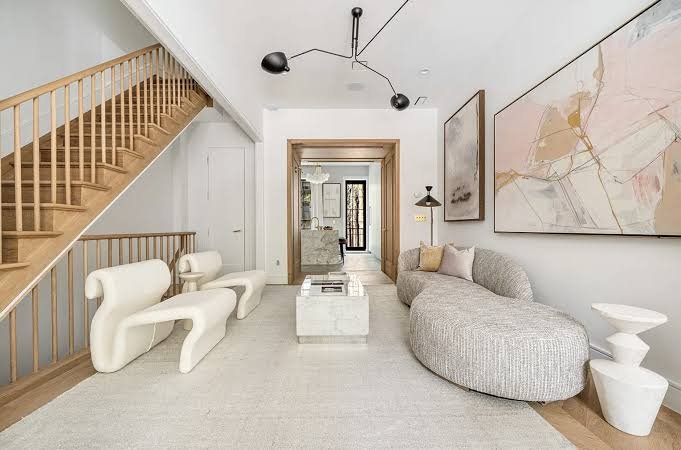
Minimalist interior design isn’t about having an empty, cold-looking home. It’s about keeping only what adds value — functionally or emotionally — while removing unnecessary clutter.
Core principles include:
- Prioritizing function over excessive decoration
- Choosing quality pieces over quantity
- Creating open, breathable spaces
- Using a limited, cohesive color palette
Understanding this mindset shift is the first step before making any physical changes to your home.
Start with a Thoughtful Decluttering Process
You can’t achieve minimalist interior design without first decluttering. This step often has the biggest visual impact.
Effective decluttering approach:
- Sort items into keep, donate, and discard categories
- Ask if each item serves a clear purpose or genuine value
- Tackle one room at a time to avoid feeling overwhelmed
- Reassess seasonal or rarely used items separately
(Internal link suggestion: link to “Deep Cleaning Checklist: Room-by-Room Guide”)
A thorough declutter creates the foundation needed for a truly minimalist, clutter-free home.
Choose a Simple, Cohesive Color Palette
Color plays a major role in achieving a minimalist interior design look. Too many colors can make even a decluttered space feel busy.
Recommended approach:
Related guidance: Modern Traditional Design Mix: How to Blend Both Styles · Deep Cleaning Checklist Room by Room for a Spotless Home · Natural Cleaning Hacks That Replace Chemical Products
- Stick to neutral base tones like white, beige, or soft grey
- Add one or two accent colors at most
- Use color through textiles rather than multiple wall colors
- Maintain consistency across connected rooms
(Internal link suggestion: link to “How to Choose the Right Paint Colors for Small Rooms”)
A cohesive palette creates visual calm, which is central to the minimalist design philosophy.
Invest in Multi-Functional Furniture
Minimalist interior design often relies on furniture that serves more than one purpose, especially useful in Indian homes with limited space.
Smart furniture choices:
- Storage ottomans that double as seating
- Extendable dining tables for flexible use
- Beds with built-in storage drawers
- Nesting tables that save space when not in use
Choosing multi-functional pieces reduces the need for excess furniture while keeping your home organized and open.
Focus on Quality Over Quantity
A key principle of minimalist interior design is investing in fewer, better-quality items rather than filling rooms with cheap, disposable pieces.
Benefits of this approach:
- Fewer replacements needed over time, saving money long-term
- Higher-quality materials tend to look more refined
- Reduces clutter from impulse or low-value purchases
Before buying anything new, ask whether the item truly adds function or lasting value to your space.
Maximize Natural Light and Open Space
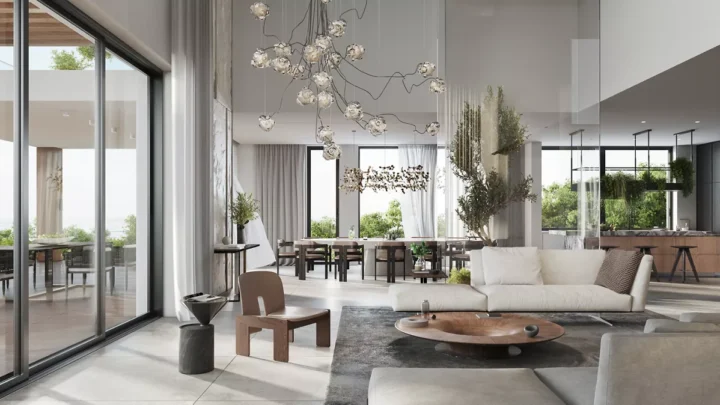
Minimalist interior design emphasizes light, open spaces that feel airy rather than boxed in.
Ways to maximize this effect:
- Use sheer or light-colored curtains instead of heavy drapes
- Avoid blocking windows with large furniture
- Choose furniture with slim profiles and visible legs
- Keep walkways clear and unobstructed
(Internal link suggestion: link to “Small Space Decorating Ideas That Make a Big Difference”)
Open, well-lit spaces naturally feel calmer and more spacious, reinforcing the minimalist aesthetic.
Smart Storage Solutions for a Clutter-Free Look
Storage plays a huge role in maintaining minimalist interior design over time, especially since daily life inevitably creates clutter.
Practical storage tips:
- Use closed storage instead of open shelves for a cleaner look
- Label storage boxes for easy organization
- Regularly reassess and remove unused items
- Utilize vertical space with tall, slim storage units
A well-organized storage system ensures your home stays minimal even as daily items accumulate.
Adding Warmth Without Losing Minimalism
One common misconception is that minimalist interior design feels cold or impersonal. In reality, warmth can be added thoughtfully.
Ways to add warmth:
- Incorporate natural materials like wood, jute, or cane
- Add one or two meaningful decor pieces rather than many small items
- Use soft textiles like cushions or throws in neutral tones
- Include a few indoor plants for a natural touch
This balance ensures your home feels minimal, yet still warm and inviting.
FAQs: Minimalist Interior Design
1. Is minimalist interior design expensive? Not necessarily. It often reduces costs over time by focusing on fewer, higher-quality purchases instead of frequent replacements.
2. How do I start minimalist interior design in a small home? Begin with decluttering, then focus on multi-functional furniture and a simple, cohesive color palette.
3. Does minimalist design mean no decor at all? No, it means choosing fewer, meaningful decor pieces rather than eliminating decoration entirely.
4. What colors work best for minimalist interior design? Neutral tones like white, beige, and soft grey work best, often paired with one accent color.
5. Can minimalist interior design work with existing furniture? Yes, decluttering and reorganizing existing furniture is often the first step before making new purchases.
6. Is minimalist design suitable for families with kids? Yes, smart storage solutions and multi-functional furniture make minimalist design practical for families too.
Conclusion
Embracing minimalist interior design is one of the most effective ways to create a calm, functional, and clutter-free home. From thoughtful decluttering to multi-functional furniture and a cohesive color palette, small intentional changes lead to a more peaceful living space.
Key takeaways:
- Start with decluttering before making design changes
- Choose quality, multi-functional pieces over excess furniture
- Stick to a simple, cohesive color palette
- Add warmth through natural materials and meaningful decor
Ready to simplify your space? Start with one room, apply these minimalist interior design principles, and experience the calming difference a clutter-free home can bring.