Choosing between sleek modern interiors and warm traditional aesthetics doesn’t have to be an either-or decision. A well-balanced modern traditional design mix lets you enjoy the best of both worlds — clean, functional spaces paired with cultural warmth and character.
This guide shares practical tips on how to blend modern and traditional elements seamlessly, so your home feels both contemporary and rooted in heritage, without looking mismatched.
Understanding the Modern Traditional Design Mix
Before diving into specific tips, it helps to understand what defines each style individually.
- Modern design focuses on clean lines, minimal ornamentation, and functional furniture
- Traditional design embraces intricate details, rich colors, and cultural craftsmanship
A successful modern traditional design mix doesn’t mean combining everything equally. Instead, it typically uses one style as the foundation and the other as an accent layer.
Choose a Dominant Style as Your Base
One of the biggest mistakes people make with a modern traditional design mix is treating both styles equally, which often results in visual clutter.
Instead:
- Pick either modern or traditional as your primary style (60-70% of the room)
- Use the second style as accents through furniture, decor, or textiles
- Maintain consistency in this ratio across connected rooms
(Internal link suggestion: link to “Minimalist Interior Design Tips for a Clutter-Free Home”)
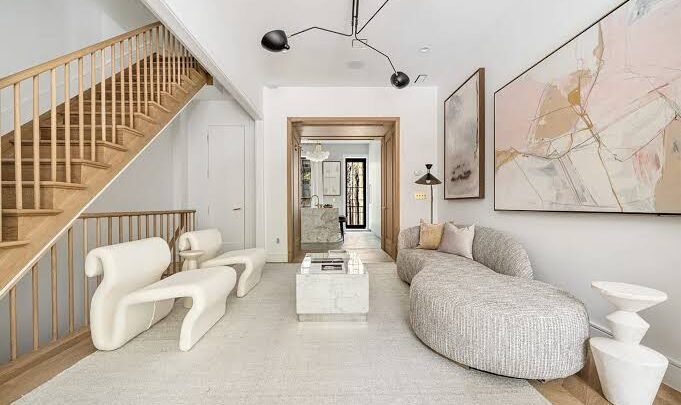
For example, a modern-based living room can include one traditional wooden cabinet or brass decor piece as a striking accent, rather than mixing multiple traditional elements throughout.
Blend Furniture Styles Thoughtfully
Furniture is often the easiest starting point for a modern traditional design mix, since pieces can be mixed without overwhelming the space.
Effective furniture blending:
- Pair a modern sofa with a traditional carved wooden coffee table
- Use contemporary dining chairs with a traditional wooden dining table
- Add one statement traditional armchair in an otherwise modern room
H3: Balancing Proportions
Related guidance: Minimalist Interior Design Tips for a Clutter-Free Home · Deep Cleaning Checklist Room by Room for a Spotless Home · Natural Cleaning Hacks That Replace Chemical Products
Keep traditional pieces as focal points rather than scattering multiple ornate items throughout the room, which helps maintain visual balance.
Use Color to Bridge Both Styles
Color is a powerful tool for unifying a modern traditional design mix, especially when the two styles use very different color language.
Tips for color balance:
- Use a neutral modern base (white, grey, beige) for walls and large furniture
- Introduce traditional richness through jewel tones like maroon, mustard, or emerald in cushions or textiles
- Avoid clashing multiple bold traditional colors within a modern-dominant space
(Internal link suggestion: link to “How to Choose the Right Paint Colors for Small Rooms”)
This approach lets traditional colors stand out as intentional accents rather than competing with the modern base palette.
Incorporate Traditional Textiles and Art
Textiles and artwork are excellent ways to introduce traditional elements without permanent structural changes.
Ideas to consider:
- Traditional handwoven rugs in modern living rooms
- Block-print or ikat cushion covers on modern sofas
- Framed traditional artwork or motifs on otherwise minimal walls
- Silk or brocade curtains paired with simple modern furniture
These elements add cultural depth to a modern traditional design mix without overwhelming the overall aesthetic.
Mix Materials for Visual Balance
Combining different materials thoughtfully is key to achieving a cohesive modern traditional design mix.
Recommended material pairings:
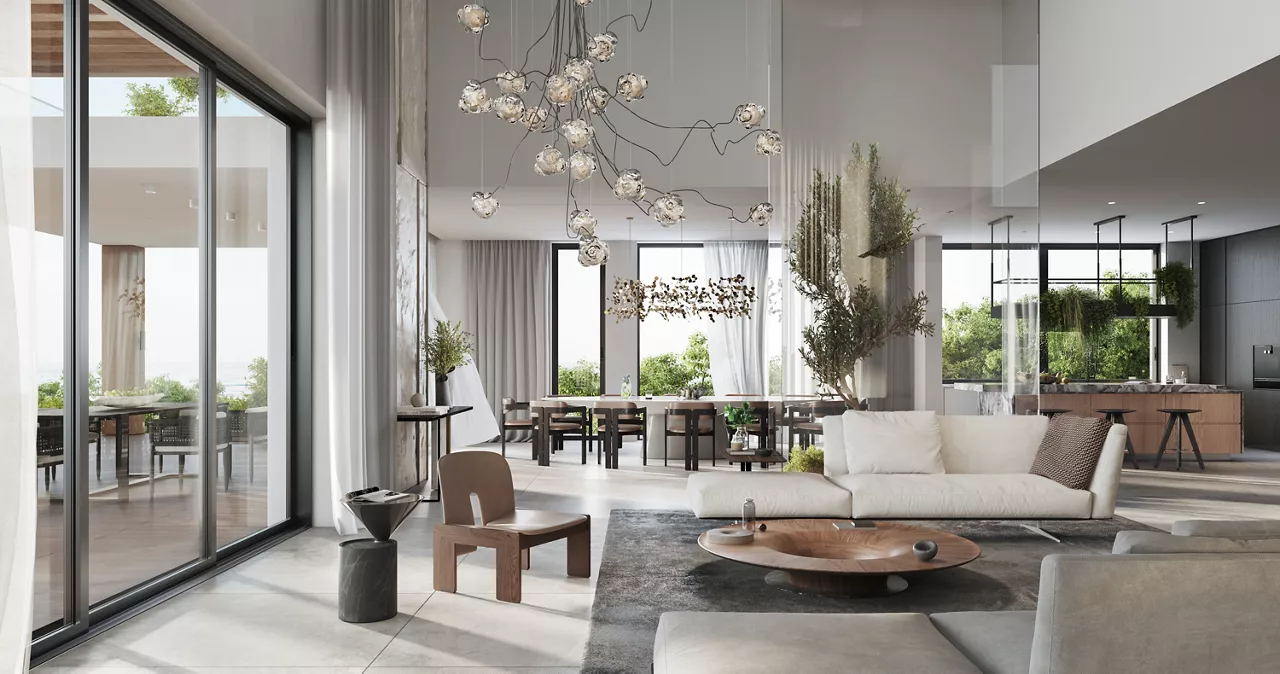
- Modern metal or glass furniture with traditional wood carvings
- Sleek marble flooring with traditional handcrafted rugs
- Minimalist lighting fixtures paired with traditional brass or copper accents
- Contemporary shelving displaying traditional pottery or artifacts
(Internal link suggestion: link to “Modern Minimalist Home Design Ideas for 2026”)
This contrast in materials creates visual interest while keeping the overall look intentional rather than chaotic.
Room-by-Room Tips for Blending Styles
Different rooms may benefit from different ratios within your modern traditional design mix.
- Living room: Modern furniture base with traditional accent pieces and textiles
- Bedroom: Traditional headboard or bedding with modern minimalist furniture
- Dining room: Traditional wooden table with modern chairs and lighting
- Pooja/prayer area: Fully traditional, kept separate from modern-dominant spaces
This room-by-room approach ensures consistency while allowing flexibility based on each space’s purpose.
Common Mistakes to Avoid
While blending styles offers creative freedom, a few common mistakes can make the space feel disjointed.
Avoid:
- Using too many traditional patterns alongside bold modern patterns
- Mixing multiple wood tones without a unifying element
- Overcrowding a modern space with too many traditional accents
- Ignoring scale — oversized traditional furniture can overwhelm a modern room
Being mindful of these pitfalls helps maintain a balanced, well-curated modern traditional design mix.
FAQs: Modern Traditional Design Mix
1. How do I start mixing modern and traditional styles? Start by choosing one style as your dominant base, then add the other through furniture or decor accents.
2. What colors work best for a modern traditional design mix? Neutral modern tones paired with rich traditional accent colors like maroon, mustard, or emerald work well.
3. Can I mix modern and traditional furniture in the same room? Yes, pairing modern furniture with one or two traditional statement pieces creates good visual balance.
4. Is a modern traditional design mix suitable for small homes? Yes, using traditional accents sparingly works well even in smaller spaces without overwhelming them.
5. How much traditional decor should I include in a modern room? Generally, keeping traditional elements to 30-40% of the room maintains good balance.
6. What materials work well for blending both styles? Wood, brass, and handwoven textiles pair well with modern materials like glass, metal, and marble.
Conclusion
Creating a successful modern traditional design mix comes down to balance — choosing a dominant style, layering in accents thoughtfully, and using color and materials to bridge both aesthetics. This approach lets your home feel contemporary while honoring cultural warmth and character.
Key takeaways:
- Choose one style as your dominant base for consistency
- Use color, textiles, and materials to bridge both styles
- Apply different ratios based on each room’s purpose
- Avoid overcrowding to maintain a balanced, curated look
Ready to blend styles in your home? Start with one room, introduce a few traditional accents, and adjust the balance until it feels right for your space.