
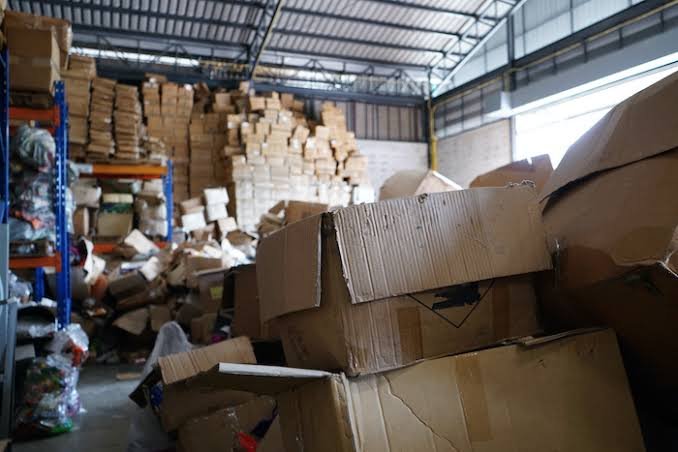
A warehouse cleanout is more than removing unwanted boxes, broken equipment, and outdated inventory. When a warehouse becomes overcrowded, it can affect productivity, safety, inventory management, and the efficient use of valuable commercial space. A well-planned cleanout helps businesses regain control of their facilities while making room for more productive operations.
For businesses handling a large volume of materials, Junk Rescue AZ can provide professional junk removal support when the amount of debris or unwanted items becomes difficult to manage internally.
Whether you are relocating, downsizing, closing a facility, or simply dealing with years of accumulated materials, a structured approach can make the process faster and more manageable.
Why a Warehouse Cleanout Matters
Warehouses are designed for organized storage and movement. When unused inventory, damaged pallets, obsolete equipment, packaging materials, and miscellaneous debris begin occupying aisles and work areas, the facility can quickly become inefficient.
A warehouse cleanout can help businesses:
- Recover usable floor and storage space
- Improve workplace organization
- Reduce unnecessary clutter
- Make inventory easier to manage
- Improve access to frequently used items
- Prepare for relocation or renovation
- Support safer material handling
- Reduce the accumulation of unwanted commercial waste
The benefits extend beyond appearance. A cleaner warehouse can make daily operations more predictable because employees spend less time working around unnecessary materials.
Common Reasons for a Warehouse Cleanout
Different businesses reach the point of needing a warehouse cleanout for different reasons. Identifying the reason behind the project can help determine the right scope and priorities.
Business Relocation
Moving to a new facility provides an opportunity to evaluate everything currently being stored. Transporting obsolete inventory, broken fixtures, and unused equipment only creates additional moving costs.
A cleanout before relocation allows businesses to separate what should move from what should be donated, recycled, sold, or removed.
Inventory Reduction
Excess inventory can occupy storage space for months or years. This is especially common when products become outdated, packaging changes, or demand declines.
A cleanout can help identify inventory that no longer supports current business needs.
Facility Closure
Closing a warehouse requires more than removing products. Shelving, office furniture, pallets, equipment, packaging, and other materials may also need to be handled.
Creating an organized removal plan can make the final stages of closing a facility considerably easier.
Renovation or Expansion
Businesses preparing to renovate or expand need clear work areas. Removing unnecessary materials before construction begins can give contractors better access and reduce obstacles around the job site.
How to Plan a Warehouse Cleanout
A successful warehouse cleanout starts with planning rather than immediately moving items toward the loading dock.
1. Inspect the Entire Facility
Walk through the warehouse and identify everything that needs attention. Include storage areas, loading zones, offices, break rooms, maintenance spaces, and outdoor areas associated with the facility.
Create a list of major categories rather than trying to document every individual item.
Common categories include:
- Outdated inventory
- Damaged goods
- Pallets and shipping materials
- Shelving and storage racks
- Office furniture
- Broken machinery
- Packaging waste
- Scrap materials
- Electronics
- General commercial junk
2. Separate Items by Destination
Not everything removed from a warehouse automatically belongs in the trash.
Create separate groups for items that should be:
- Kept
- Sold
- Donated
- Recycled
- Returned
- Disposed of
- Professionally removed
This approach can prevent useful materials from being discarded unnecessarily.
3. Prioritize Safety
Warehouse cleanouts often involve heavy, oversized, sharp, or awkward items. Employees should not be expected to move materials that require specialized equipment or create unnecessary injury risks.
Keep walkways and emergency access areas clear throughout the project. Use appropriate lifting procedures and equipment, and follow workplace safety requirements applicable to the facility.
4. Establish a Removal Schedule
Large commercial cleanouts are easier when divided into manageable stages.
For example, a business might begin with obsolete inventory, followed by storage equipment, office contents, and miscellaneous debris. Scheduling removal around normal business operations can also reduce disruption.
What Items Can Be Removed?
The exact materials accepted during a commercial cleanout depend on the service provider and local disposal requirements. However, warehouse projects commonly involve a broad range of unwanted materials.
These may include:
- Furniture and office fixtures
- Cardboard and packaging materials
- Empty containers
- Pallets
- Shelving
- Displays
- Nonworking equipment
- Appliances
- Outdated merchandise
- General commercial debris
Some materials require special handling. Hazardous substances, chemicals, certain batteries, pressurized containers, and other regulated materials should not simply be placed with ordinary junk.
Before scheduling removal, identify potentially hazardous materials and determine the appropriate disposal method.
Warehouse Junk Removal vs. DIY Cleanouts
Handling a warehouse cleanout internally may appear less expensive, especially when employees are already available. However, the actual cost can increase when staff members spend hours sorting, lifting, loading, transporting, and disposing of unwanted materials instead of performing their regular responsibilities.
A professional removal service can be useful when the project involves:
- Large quantities of debris
- Bulky furniture
- Heavy equipment
- Multiple rooms or storage areas
- Tight project deadlines
- Limited employee availability
- Transportation challenges
Businesses should evaluate the total project cost rather than looking only at the price of disposal. Employee time, vehicle use, equipment rental, downtime, and disposal fees can all affect the final expense.
How to Make a Commercial Cleanout More Efficient
Efficiency comes from making decisions before removal begins.
Start by identifying the materials that are definitely staying. Then separate items that have potential resale, donation, or recycling value. Once those decisions are made, the remaining materials can be categorized for removal.
It can also help to designate a temporary staging area. This gives employees a central location for materials awaiting donation, recycling, or removal instead of allowing unwanted items to spread throughout the warehouse.
Photographing major areas before and after the project can also provide a useful visual record. For businesses with multiple facilities, these records can help establish better storage and inventory practices for future locations.
Environmental Considerations
Warehouse cleanouts can generate significant amounts of waste, but not everything needs to go directly to a landfill.
Whenever practical, businesses should consider opportunities for reuse and recycling. Cardboard, metals, certain electronics, usable furniture, and other recoverable materials may have alternative destinations depending on their condition and local requirements.
Responsible disposal is especially important for businesses seeking to improve their environmental practices. Keeping recoverable materials separate from general debris can make downstream sorting and recycling easier.
Businesses should also verify disposal requirements for regulated or potentially hazardous materials rather than assuming that a standard junk removal service can accept everything.
When Should You Schedule a Warehouse Cleanout?
There is no universal schedule for commercial cleanouts. However, businesses should consider scheduling one when storage areas are consistently overcrowded or employees have difficulty locating necessary materials.
Other warning signs include:
- Aisles becoming difficult to navigate
- Large amounts of obsolete inventory
- Broken equipment occupying valuable space
- Repeated accumulation of packaging waste
- Storage areas reaching capacity
- An upcoming move or renovation
- A facility closure
- Difficulty maintaining organized inventory
Waiting until clutter becomes a serious operational problem can make the eventual project larger and more expensive.
A Simple Warehouse Cleanout Checklist
Before starting, use this checklist to keep the project organized:
- Inspect every area of the warehouse.
- Identify obsolete, damaged, or unwanted materials.
- Separate items into keep, sell, donate, recycle, and dispose categories.
- Identify materials requiring special handling.
- Establish a staging area.
- Create a removal timeline.
- Protect employees from unnecessary lifting and handling risks.
- Arrange transportation or professional junk removal.
- Verify that disposal methods are appropriate.
- Inspect the facility after removal and update storage practices.
This process helps turn a potentially overwhelming project into a series of manageable decisions.
Make Your Warehouse Work Better
A warehouse should support business operations rather than become a storage area for everything a company no longer needs. Regular organization and timely removal of unwanted materials can help businesses maintain usable space, improve workflow, and avoid unnecessary accumulation.
Whether the goal is relocation, inventory reduction, renovation, or simply creating a more functional facility, a carefully planned warehouse cleanout can deliver practical benefits beyond a cleaner building. When the volume of unwanted materials is too large for an internal team to handle efficiently, Junk Rescue AZ can help businesses manage the removal process and move toward a cleaner, more productive commercial space.