Water is one of those things most of us rarely think about until something seems off. Perhaps the shower leaves a chalky film on the glass, laundry comes out feeling stiff, or the kitchen faucet develops stubborn spots just days after cleaning. Sometimes there’s an unusual taste or smell. These issues can be frustrating, especially when the water looks perfectly clear coming out of the tap.
The important thing to remember is that water quality can vary from one property to another. The source, plumbing, treatment equipment, and conditions inside a home can all affect what reaches the faucet. Instead of guessing based on stains or taste alone, it helps to understand the water and choose improvements based on reliable information.
Why Water Quality Deserves Attention
Water is used throughout the day for drinking, cooking, bathing, cleaning, and laundry. When its mineral content or other characteristics aren’t suited to a household’s needs, everyday tasks can become harder than they should be. Hard water, for example, contains elevated levels of minerals such as calcium and magnesium. These minerals can leave scale on faucets, showerheads, and appliances, and they may make soap less effective.
Other concerns require a different approach. Iron and manganese can contribute to staining, while sediment may affect the appearance of water or collect in plumbing fixtures. Certain unwanted substances cannot be identified by looking at water or smelling it. Clear water isn’t automatically free of every contaminant, which is why appropriate testing matters.
For homeowners exploring water treatment new port richey florida, the sensible starting point is to identify the specific issue rather than immediately buying a system. Different treatment technologies are designed for different purposes. A softener, for instance, is commonly used to address hardness, while a sediment filter targets particles. Neither should be assumed to solve every possible water-quality concern.
Knowing what is actually present helps prevent unnecessary purchases and makes it easier to compare treatment options on their merits.
Look Beyond the Symptoms
Household clues can provide useful information, although they don’t offer a complete diagnosis. White deposits around faucets may indicate mineral buildup. Orange or reddish marks can sometimes be associated with iron. A persistent rotten-egg smell may have several possible causes, including certain naturally occurring compounds or plumbing-related conditions.
Pay attention to when the problem occurs. Does it affect every faucet or just one? Is the staining more noticeable after water has stood in a fixture? Does the issue appear throughout the house or only in a particular bathroom? These observations can help narrow down what needs to be investigated.
Related guidance: Finding the Right Water Treatment Approach for Your Home or Business · From the First Plan to the Final Switch: Getting Electrical Projects Right
It’s also worth considering the plumbing itself. Older pipes, corroded fittings, and water heaters can influence water quality at the tap. If an issue appears suddenly, especially alongside a change in color, smell, or pressure, contact your water provider or a qualified plumbing professional as appropriate. Treatment equipment isn’t always the right first response.
Start With a Water Test
A water test gives you a more dependable foundation for decision-making than online guesses or product advertisements. The right testing method depends on the water source and the concern being investigated. Municipal water customers may want to review their supplier’s published water-quality report, while private well owners generally need a testing schedule suited to their local conditions and possible risks.
A free water test can be a useful first step when offered by a reputable water-treatment provider. Before booking, ask what the test measures, whether it includes laboratory analysis, and which results will be provided in writing. Some in-home demonstrations focus mainly on hardness or dissolved solids, which can be informative but do not establish whether water is safe from every contaminant.
If you have concerns about bacteria, lead, nitrates, or other health-related contaminants, use a test method appropriate for those substances. Depending on the issue, that may mean sending a sample to a certified laboratory. Follow the sampling instructions carefully because an incorrectly collected sample can affect the result.
Once you receive the findings, ask the tester to explain them in plain language. You should understand which results are outside the relevant guidelines, what they mean, and whether any action is recommended. A good assessment should inform your choices rather than pressure you into an immediate purchase.
Choose Treatment Based on the Results
Water-treatment equipment works best when it matches a clearly identified need. A water softener may help reduce hardness-related scale, while a sediment filter can capture particles before they reach fixtures or other equipment. Activated carbon is commonly used to reduce certain tastes, odors, and specific compounds, depending on the product’s design and certification.
Reverse osmosis systems can reduce a range of dissolved substances in drinking water, but performance depends on the system and the substances involved. These systems also produce wastewater and require filter or membrane replacement. It’s important to understand those ongoing costs before installation.
There is no single device that removes everything from every water supply. Look for products with independently verified performance claims relevant to your test results. Ask which substances the system is designed to reduce, what maintenance it requires, and whether the equipment has been sized correctly for your household’s water use.
Be cautious when a salesperson claims that one test proves your water is dangerous or that a particular product solves every concern. Water chemistry is more complicated than that. Reliable recommendations should be based on measurable results and clearly explained limitations.
Installation and Maintenance Matter
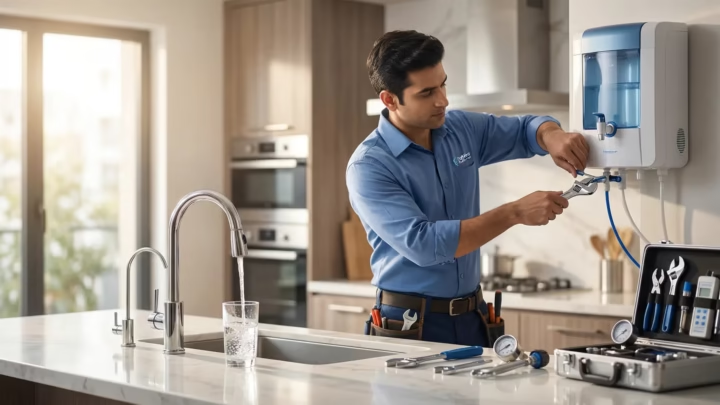
Even a suitable treatment system needs proper installation to work as intended. Equipment should be positioned where it can be serviced, connected according to manufacturer requirements, and sized for the home’s flow rate and water demand. Depending on the setup, a professional may also need to consider drainage, electrical access, plumbing layout, and local regulations.
Maintenance is part of the ownership cost, not an optional extra. Filters need replacing at the intervals specified by the manufacturer, and softeners may require salt or other routine attention. Some systems need periodic sanitation or performance checks. Neglecting these tasks can reduce effectiveness and, in some circumstances, create additional water-quality problems.
Keep a simple record of installation dates, filter changes, and test results. It makes future servicing easier and gives you a useful way to track whether the system continues to perform as expected.
What Better Water Can Mean at Home
When a treatment system addresses the right problem, the benefits may show up in ordinary routines. Hardness-related deposits may become less troublesome, certain odors or tastes may improve, and fixtures may require less frequent scrubbing. The exact outcome depends on the original water conditions and the equipment installed, so it’s best to set realistic expectations.
A well-informed approach to improved water quality starts here: with questions, accurate testing, and a treatment plan suited to your household rather than a one-size-fits-all promise.
Make an Informed Decision
Water quality can seem complicated, but homeowners don’t need to become water-treatment experts to make sensible choices. Begin by noticing recurring problems, finding out what the water test actually measures, and comparing solutions designed for the results you receive.
Ask questions about installation, maintenance, performance, and long-term costs. Take time to review your options, especially if a recommendation involves a significant investment. The goal isn’t to buy the most elaborate system available. It’s to understand your water and make practical improvements that meet your household’s needs.
With reliable information and regular maintenance, water treatment becomes less about guesswork and more about caring for an essential part of everyday life.