
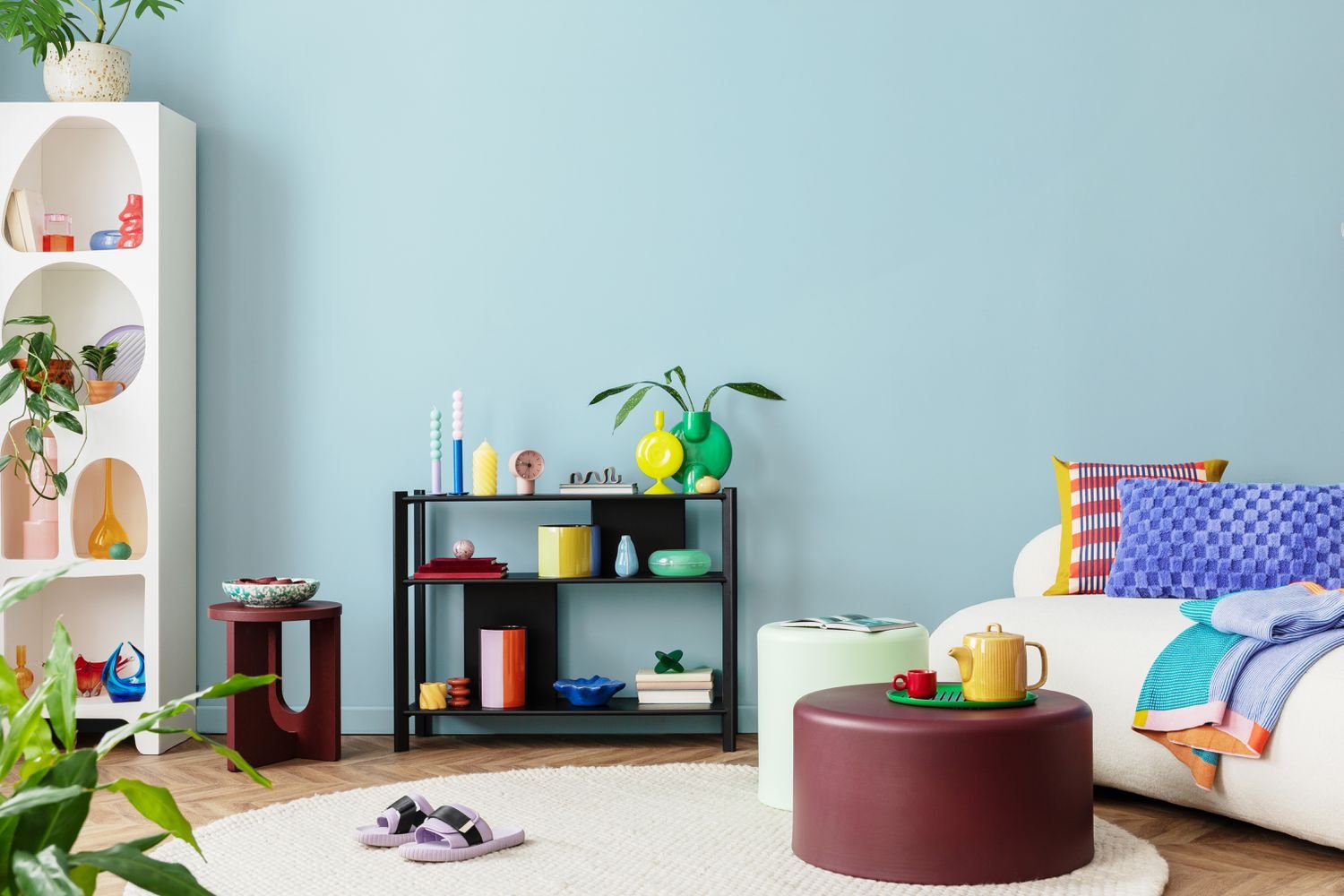
Choosing the right paint colors for small rooms can completely transform how spacious a room feels, without knocking down a single wall. The right shade tricks the eye into perceiving more space, more light, and more openness.
If you’re struggling with a cramped bedroom, tiny living room, or a narrow hallway, this guide covers the best paint colors for small rooms and practical tips to maximize the visual space in your home.
Why Paint Color Matters for Small Spaces
Color psychology plays a huge role in how we perceive space. Darker shades tend to absorb light and make walls feel closer, while lighter tones reflect light and push walls visually outward.
Choosing the right paint colors for small rooms can:
- Make ceilings feel higher
- Create the illusion of depth
- Improve natural light distribution
- Make furniture and decor stand out without clutter
Getting this right means your small room feels open and airy, rather than boxed in.
Best Light Shades for Small Rooms
Light colors are the most reliable choice when it comes to paint colors for small rooms, as they reflect maximum light.
Top light shade options:
- Soft white: Timeless and universally space-expanding
- Light beige: Warm, cozy, yet still spacious-feeling
- Pale grey: Modern and neutral, pairs well with most furniture
- Off-white with warm undertones: Prevents a cold, clinical look
(Internal link suggestion: link to “Interior Painting Cost Guide: What Affects the Price”)
These shades work particularly well in bedrooms and living rooms where natural light is limited.
Cool Tones That Add Depth
Cool-toned paint colors for small rooms can create a calming, airy feeling, especially in spaces with good natural light.
Related guidance: Paint Finish Guide: How to Choose the Right One
Recommended cool tones:
- Light sky blue: Adds a fresh, open feel to bedrooms
- Soft sage green: Brings a natural, calming touch without darkening the space
- Pale lavender: Adds subtle color while maintaining brightness
- Cool mint: Works well in study rooms or kids’ bedrooms
Cool tones tend to visually recede, making walls appear farther away than they actually are.
Monochromatic Color Schemes for Small Rooms
One of the most effective tricks with paint colors for small rooms is using a monochromatic scheme — the same color in varying shades throughout the room.
Benefits of monochromatic schemes:
- Eliminates harsh contrast that breaks up visual space
- Creates a seamless flow from walls to ceiling to trim
- Makes the room feel taller and more unified
For example, pairing a soft grey wall with a slightly lighter grey ceiling can make the room feel significantly more open than using two contrasting colors.
Using Accent Walls Without Shrinking the Space
Many homeowners assume accent walls always work against small spaces, but done correctly, they can enhance depth instead of reducing it.
Tips for accent walls in small rooms:
- Choose the wall farthest from the entrance to create depth
- Stick to slightly darker or richer tones, not overly bold colors
- Balance with lighter shades on remaining walls
- Avoid accent walls in already narrow or low-ceiling rooms
(Internal link suggestion: link to “Small Space Decorating Ideas That Make a Big Difference”)
Used correctly, an accent wall can add character without making the paint colors for small rooms feel overwhelming.
Ceiling and Trim Color Tips
The ceiling and trim often get overlooked, but they play a major role in how spacious a small room feels.
- Paint the ceiling a shade lighter than the walls to draw the eye upward
- Use glossy or semi-gloss finishes on trim to reflect more light
- Avoid stark white ceilings paired with dark walls, as this creates visual disconnect
Matching or slightly lightening the ceiling color compared to the walls is one of the simplest ways to enhance the effect of your chosen paint colors for small rooms.
Colors and Finishes to Avoid in Small Rooms
While personal taste matters, some choices consistently work against creating a spacious feel.
Avoid:
- Dark, saturated colors like navy or deep maroon on all walls
- Matte finishes in rooms with limited natural light
- Multiple bold colors in the same small space
- High-contrast color blocking on adjacent walls
(Internal link suggestion: link to “Budget Home Decor Ideas That Look Expensive”)
If you love bold colors, consider using them sparingly through decor and furniture instead of full wall coverage.
FAQs: Paint Colors for Small Rooms
1. What color makes a small room look bigger? Light, neutral colors like soft white, beige, and pale grey are most effective at making small rooms look bigger.
2. Should I avoid dark colors in small rooms completely? Not entirely — dark accent walls can work if balanced with lighter surrounding colors and good lighting.
3. Does ceiling color affect how big a room feels? Yes, a lighter ceiling color helps draw the eye upward, making the room feel taller and more open.
4. Is glossy or matte paint better for small rooms? Glossy or semi-gloss finishes reflect more light, making them better suited for small or dim rooms.
5. Can bold colors work in small rooms? Yes, but it’s best to use them as accents rather than covering the entire room to avoid a cramped feel.
6. What is the best paint finish for small bedrooms? Satin or eggshell finishes offer a good balance of light reflection and a soft, comfortable look.
Conclusion
Choosing the right paint colors for small rooms is one of the easiest and most affordable ways to make any space feel bigger and brighter. From light neutral shades to smart use of accent walls and ceiling color, small changes can create a big visual impact.
Key takeaways:
- Light and cool tones reflect more light and expand visual space
- Monochromatic schemes create a seamless, spacious feel
- Use accent walls and bold colors sparingly and strategically
- Don’t overlook ceiling and trim color choices
Ready to transform your small space? Pick up a few sample paint swatches and test them in natural daylight before committing to your final color choice.