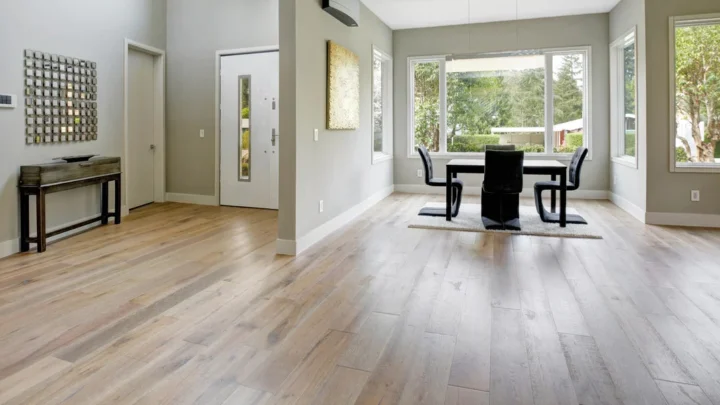
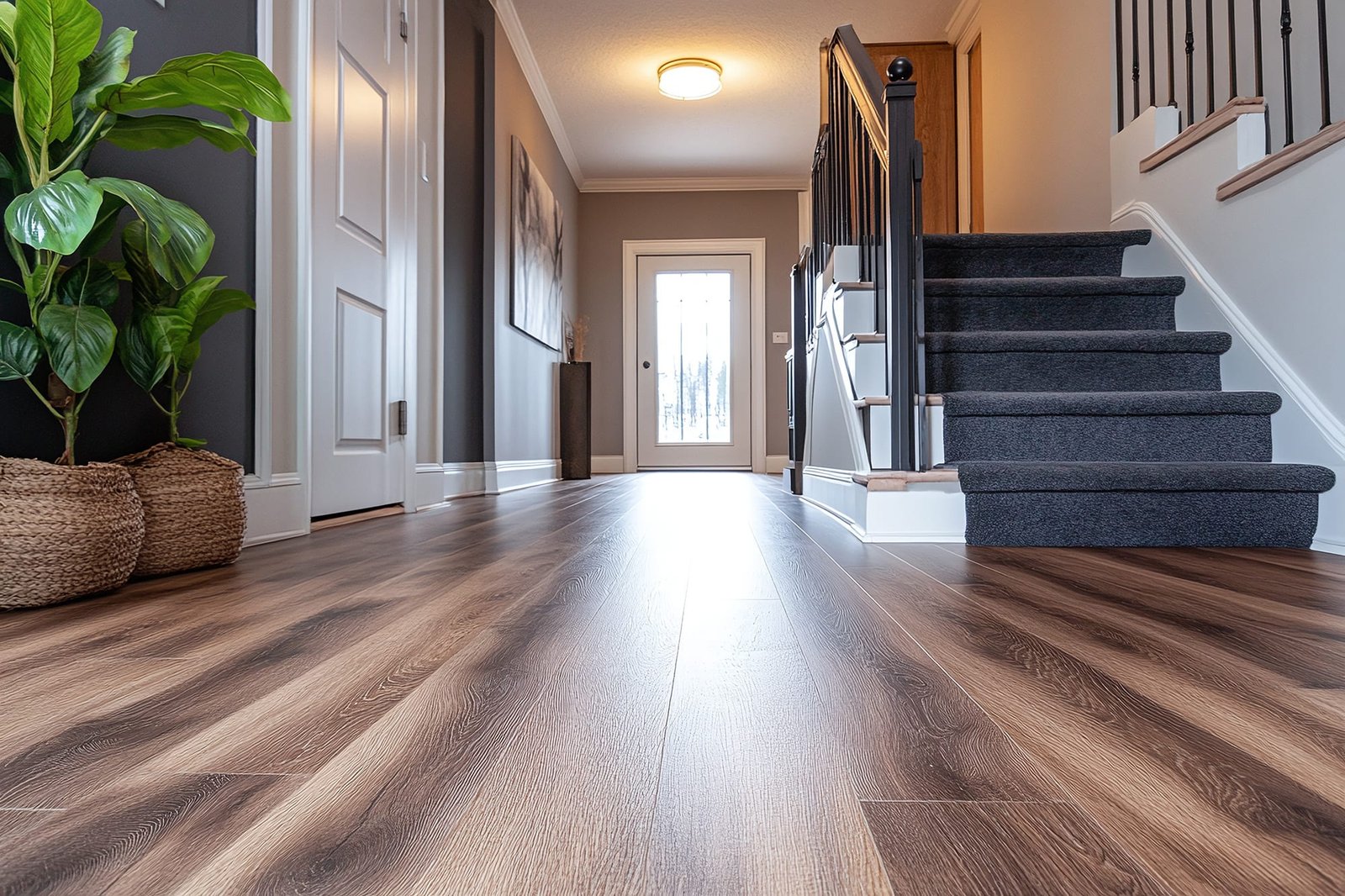
When it comes to flooring your home, the hardwood vs vinyl flooring debate almost always comes down to one big question: what fits your budget without compromising on quality? Both options have loyal fans, but they differ significantly in upfront cost, installation, and long-term value.
This guide breaks down the real cost differences so you can make a confident, budget-friendly flooring decision for your home.
Hardwood vs Vinyl Flooring: The Basic Difference
Before comparing costs, it helps to understand what sets these two flooring types apart.
- Hardwood flooring is made from solid or engineered wood, offering a natural, premium look
- Vinyl flooring is a synthetic material designed to mimic wood, stone, or tile at a lower cost
While hardwood is considered a long-term investment, vinyl is often chosen for its affordability and practicality, especially in budget-conscious renovations.
Upfront Cost Comparison
Cost is usually the first deciding factor in the hardwood vs vinyl flooring choice.
Hardwood flooring costs:
- Solid hardwood is generally the most expensive flooring option
- Engineered wood costs less than solid hardwood but still sits in the premium range
- Material cost varies significantly based on wood type (teak, oak, etc.)
Vinyl flooring costs:
- Significantly cheaper than hardwood, often a fraction of the price
- Luxury vinyl planks (LVP) cost more than basic vinyl sheets but still remain budget-friendly
- Minimal price variation across most vinyl product ranges
(Internal link suggestion: link to “Best Flooring Options for Every Room in Your Home”)
For homeowners on a tight budget, vinyl typically offers 40-60% savings compared to hardwood flooring.
Installation Cost Differences
Installation charges can significantly affect your total flooring budget, and this is where hardwood vs vinyl flooring differs quite a bit.
Hardwood installation:
- Requires skilled labor and more installation time
- May need subfloor preparation, especially for solid wood
- Higher overall labor costs due to complexity
Vinyl installation:
Related guidance: Best Flooring for High Traffic Homes: Full Comparison
- Easier and faster to install, reducing labor costs
- Many vinyl products come with click-lock systems for simpler fitting
- Can often be installed over existing flooring, saving removal costs
If you’re renovating on a budget, vinyl’s lower installation cost adds up to noticeable savings.
Long-Term Value and Durability
While vinyl wins on upfront cost, hardwood often makes up for it in long-term durability and resale value.
Hardwood advantages:
- Can last 25-30+ years with proper care
- Can be refinished multiple times, extending lifespan further
- Often increases property resale value
Vinyl advantages:
- Typically lasts 10-20 years depending on quality
- Cannot be refinished; damaged sections often need full replacement
- More resistant to water and moisture damage
(Internal link suggestion: link to “Hardwood vs. Laminate Flooring: Which One Should You Choose?”)
If you plan to stay long-term, hardwood’s durability may offset its higher upfront cost over time.
Maintenance Costs Over Time
Ongoing maintenance is an often-overlooked part of the hardwood vs vinyl flooring budget comparison.
Hardwood maintenance:
- Requires periodic polishing and occasional refinishing
- Sensitive to water damage and humidity changes
- Higher long-term maintenance costs
Vinyl maintenance:
- Low maintenance — simple mopping and cleaning
- Naturally water-resistant, reducing damage risk
- No refinishing required
(Internal link suggestion: link to “Deep Cleaning Checklist: Room-by-Room Guide”)
For households looking to minimize ongoing costs, vinyl’s low-maintenance nature is a major budget advantage.
Best Use Cases for Each Flooring Type
Choosing between hardwood vs vinyl flooring often depends on where you’re installing it.
Choose hardwood for:
- Living rooms and formal spaces
- Homes where resale value is a priority
- Areas with low moisture exposure
Choose vinyl for:
- Kitchens, bathrooms, and moisture-prone areas
- Rental properties or budget renovations
- Homes needing quick, hassle-free installation
Matching the flooring type to the specific room ensures you get the best value for your budget.
Which Option Offers Better ROI?
Return on investment depends on your goals. If you’re selling soon, hardwood often appeals more to buyers and can justify a higher asking price.
If you’re renovating for personal use on a limited budget, vinyl offers excellent practicality without a major financial commitment.
- Hardwood: Better long-term ROI for resale value
- Vinyl: Better immediate ROI for budget-conscious renovations
Consider your timeline and priorities before making a final decision.
FAQs: Hardwood vs Vinyl Flooring
1. Is vinyl flooring cheaper than hardwood? Yes, vinyl flooring is typically 40-60% cheaper than hardwood in both material and installation costs.
2. Does hardwood flooring last longer than vinyl? Yes, hardwood can last 25-30+ years and can be refinished, while vinyl typically lasts 10-20 years.
3. Which flooring is better for resale value? Hardwood generally adds more resale value due to its premium, timeless appeal.
4. Is vinyl flooring waterproof? Most vinyl flooring is water-resistant or fully waterproof, making it ideal for kitchens and bathrooms.
5. Can vinyl flooring look like real hardwood? Yes, luxury vinyl planks closely mimic the look of hardwood at a much lower cost.
6. Which flooring is easier to maintain? Vinyl requires less maintenance than hardwood, which needs periodic polishing and refinishing.
Conclusion
The hardwood vs vinyl flooring decision ultimately comes down to your budget, timeline, and priorities. Vinyl offers affordability, easy installation, and low maintenance, while hardwood delivers long-term durability and stronger resale value.
Key takeaways:
- Vinyl saves significantly on upfront and installation costs
- Hardwood offers better durability and resale value long-term
- Match flooring type to room function and moisture exposure
- Consider your timeline before prioritizing cost or longevity
Still deciding which flooring fits your budget? Get quotes for both options from local contractors to compare real costs before making your final choice.