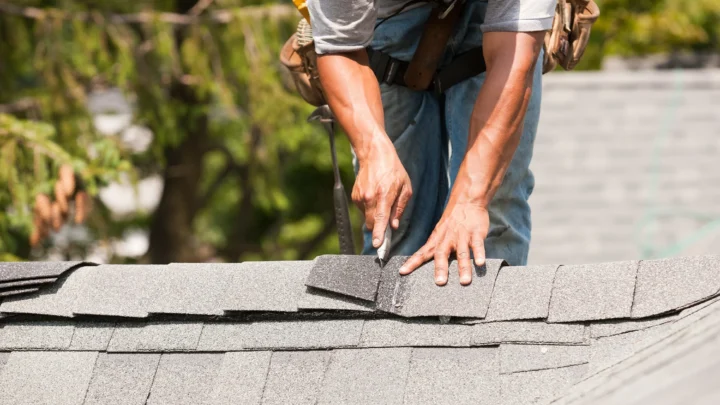
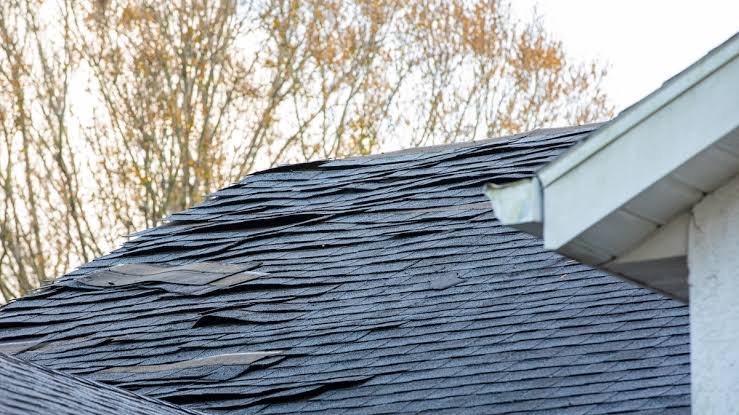
Most homeowners only notice roof problems once water starts dripping into their living room. But by then, the damage is often already extensive. Learning to spot the early signs of roof damage can save you thousands in repair costs and protect your home’s structure.
This guide covers the warning signs most people overlook — both inside and outside the house — so you can catch problems before they escalate into major issues.
Why Spotting Signs of Roof Damage Early Matters
Roof problems rarely appear overnight. They build up gradually, often starting with small, easy-to-miss signals.
Catching the signs of roof damage early helps you:
- Avoid expensive emergency repairs
- Prevent structural damage to walls and ceilings
- Extend your roof’s overall lifespan
- Avoid mold and health issues from moisture buildup
Ignoring early warning signs almost always leads to higher costs later, especially once monsoon season arrives.
Interior Signs of Roof Damage
Not all roof damage shows up on the roof itself. Often, the first signs appear inside your home.
Watch out for:
- Water stains or discoloration on ceilings
- Peeling paint or bubbling on interior walls
- Musty odors, especially in the attic or top floor
- Visible mold or mildew patches
- Sagging ceiling sections
(Internal link suggestion: link to “Roof Replacement vs Repair: How to Decide What’s Right”)
If you notice any of these signs, it’s worth inspecting the roof before the damage spreads further into your home’s structure.
Exterior Signs of Roof Damage
A regular walk-around inspection can reveal problems before they become serious.
Key exterior signs of roof damage include:
Related guidance: Roof Replacement vs Repair: How to Decide What’s Right
- Missing, cracked, or curling tiles/shingles
- Granules collecting in gutters (common with asphalt roofs)
- Visible cracks in concrete or RCC roofing
- Rust spots on metal roofing sheets
- Moss or algae growth in shaded areas
These signs often indicate that your roofing material is deteriorating faster than expected.
Signs of Roof Leaks You Shouldn’t Ignore
Leaks are one of the most common and damaging types of roof problems. Even a small, slow leak can cause significant damage over time.
Common leak indicators:
- Damp patches that appear after rainfall
- Dripping sounds during or after rain
- Wet insulation in the attic
- Water pooling near chimneys or vents
(Internal link suggestion: link to “Seasonal Home Maintenance Checklist You Shouldn’t Skip”)
Leaks often start at weak points like flashing, joints, or roof valleys — areas that are easy to miss during a casual inspection.
Structural Signs of Roof Damage
Some signs of roof damage point to deeper structural issues that require immediate professional attention.
Serious structural warning signs:
- Visible sagging in the roofline
- Soft spots when walking on the roof
- Cracks in interior walls near the roofline
- Doors and windows that suddenly stick or misalign
These signs suggest the roof deck or support structure may be compromised, and delaying repairs can be dangerous.
Seasonal Signs of Roof Damage in Indian Homes
Indian weather conditions — from intense heat to heavy monsoons — put extra stress on roofs throughout the year.
Pre-monsoon signs to check:
- Cracked waterproofing layers
- Clogged or damaged gutters
- Loose tiles from summer heat expansion
Post-monsoon signs to check:
- New water stains or dampness
- Algae or moss growth
- Debris buildup blocking drainage
Checking for these seasonal signs of roof damage twice a year can prevent most major roofing issues.
How to Inspect Your Roof Safely
While some signs are visible from the ground, a proper inspection requires care and safety precautions.
Safe inspection tips:
- Use binoculars to check from the ground first
- Avoid walking on the roof during or after rain
- Check the attic or top floor ceiling for internal signs
- Hire a professional for a detailed inspection at least once a year
(Internal link suggestion: link to “Signs You Need a Roof Replacement, Not Just a Repair”)
A professional inspection can identify signs of roof damage that aren’t visible during a basic visual check.
FAQs: Signs of Roof Damage
1. What are the earliest signs of roof damage? Water stains on ceilings, missing tiles, and granules in gutters are usually the earliest visible signs.
2. How can I tell if my roof is leaking? Look for damp patches, musty smells, peeling paint, or dripping sounds during rainfall.
3. Is moss growth on the roof a serious problem? Yes, moss retains moisture and can gradually damage roofing material if left untreated.
4. How often should I check my roof for damage? At least twice a year — before and after the monsoon season — plus after any major storm.
5. Can small roof damage get worse over time? Yes, even minor cracks or leaks can expand quickly, especially during heavy rainfall.
6. When should I call a professional for roof damage? If you notice sagging, structural cracks, or repeated leaks, it’s best to call a professional immediately.
Conclusion
Spotting the early signs of roof damage can save you from costly repairs and serious structural problems down the line. From interior water stains to exterior tile cracks, staying alert to these warning signs helps protect your home year-round.
Key takeaways:
- Check both interior and exterior signs regularly
- Pay extra attention before and after monsoon season
- Don’t ignore structural warning signs like sagging
- Get a professional inspection at least once a year
Noticed any of these signs at home? Schedule a roof inspection soon — catching damage early is always cheaper than waiting for a full repair.