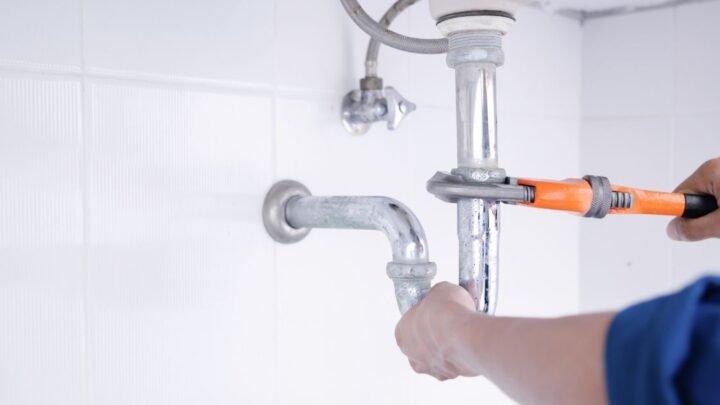
Knowing which DIY plumbing fixes you can safely handle yourself, and which ones need professional help, can save you both time and money. Not every plumbing issue requires an emergency call to a plumber.
At the same time, attempting complex repairs without the right knowledge can turn a small problem into a much bigger, more expensive one.
In this guide, we’ll break down which plumbing issues are safe for confident DIY fixes, and which situations genuinely need a professional’s expertise.
Why Knowing DIY Plumbing Fixes Matters
Understanding basic DIY plumbing fixes helps homeowners handle minor issues confidently while avoiding unnecessary service call costs.
Benefits of knowing DIY basics include:
- Saving money on simple repairs
- Responding quickly to minor issues before they worsen
- Building confidence in basic home maintenance
- Knowing exactly when professional help is truly necessary
The key is understanding your own limits and recognizing which problems are beyond simple fixes.
1. Fixing a Dripping Tap: A Simple DIY Job
A dripping tap is one of the most beginner-friendly DIY plumbing fixes available, requiring only basic tools and a bit of patience.
Steps typically involve:
- Turning off the water supply valve
- Disassembling the tap carefully
- Replacing the worn washer or cartridge
- Reassembling and testing for leaks
This is a great starting point for homeowners new to DIY plumbing fixes, since mistakes here are low-risk and easily correctable.
2. Unclogging Drains Yourself
Minor drain clogs are another manageable DIY plumbing fix that most homeowners can handle without professional help.
Safe DIY Methods
- Using a plunger for standard clogs
- Trying a baking soda and hot water combination
- Using a drain snake for slightly tougher blockages
Avoid harsh chemical drain cleaners repeatedly, as they can damage older pipes over time. (Internal link opportunity: link to a common plumbing problems article here.)
3. Replacing a Showerhead or Tap Aerator
Swapping out an old showerhead or cleaning a clogged tap aerator is a simple, low-risk DIY plumbing fix that improves water flow instantly.
Related guidance: Common Plumbing Problems Every Homeowner Should Know How to Fix
Steps include:
- Unscrewing the old fixture carefully
- Cleaning mineral deposits with a vinegar soak
- Installing the new fixture or reattaching the cleaned one
This task typically requires no special tools beyond a wrench, making it accessible for most homeowners.
4. Fixing a Running Toilet
A running toilet is a common issue that’s often a manageable DIY plumbing fix, provided you understand the basic cistern mechanism.
Common fixes include:
- Replacing a worn flapper valve
- Adjusting the float height
- Cleaning sediment from the flush valve
Most hardware stores stock affordable replacement parts, making this a cost-effective DIY project for confident homeowners.
5. When Leaking Pipes Need Professional Attention
While minor visible leaks can sometimes be temporarily patched, leaking pipes generally fall outside the scope of safe DIY plumbing fixes.
Signs you need a professional:
- The leak is hidden within walls or under flooring
- Water pressure has dropped significantly
- The pipe shows visible corrosion or damage
Attempting to fix hidden leaks without proper expertise can lead to more extensive water damage if not addressed correctly the first time. (Internal link opportunity: link to a house repair signs article here.)
6. Sewer Line Issues: Always Call a Professional
Sewer line problems are firmly in professional territory, well beyond typical DIY plumbing fixes.
Warning signs include:
- Multiple drains backing up simultaneously
- Persistent foul odors near drains
- Gurgling sounds throughout the plumbing system
These issues often involve blockages deep within the main sewage line, requiring specialized equipment that most homeowners simply don’t have access to.
7. Water Heater Repairs: Know Your Limits
Basic water heater maintenance, like descaling, can be a reasonable DIY plumbing fix, but electrical or gas-related repairs should always go to a professional.
Safe for DIY:
- Descaling to remove mineral buildup
- Checking and adjusting thermostat settings
Call a professional for:
- Gas connection issues
- Electrical component repairs
- Complete unit replacement
Safety should always take priority over saving money when gas or electrical components are involved.
8. Red Flags That Mean It’s Time to Call a Plumber
Certain warning signs indicate a plumbing issue has moved beyond safe DIY territory.
Call a professional immediately if you notice:
- Multiple plumbing issues occurring at once
- Signs of structural water damage
- Persistent low water pressure despite basic fixes
- Any gas smell near water heater connections
Recognizing these red flags early prevents DIY attempts from accidentally worsening a serious underlying problem.
Frequently Asked Questions
1. What plumbing repairs are safe to do myself? Dripping taps, minor clogs, running toilets, and showerhead replacements are generally safe and beginner-friendly DIY plumbing fixes.
2. When should I avoid DIY plumbing fixes? Avoid DIY approaches for hidden pipe leaks, sewer line issues, and any gas or electrical component repairs.
3. Can DIY plumbing fixes save money? Yes, handling minor issues yourself can save on service call costs, though complex problems still require professional expertise.
4. What tools do I need for basic DIY plumbing fixes? A plunger, adjustable wrench, drain snake, and basic screwdriver set cover most beginner-friendly plumbing repairs.
5. Is it safe to fix a water heater myself? Basic descaling is generally safe, but gas or electrical component repairs should always be handled by a licensed professional.
6. How do I know if a plumbing problem needs a professional? If multiple fixtures are affected, you notice signs of structural damage, or the issue persists after basic fixes, it’s time to call a plumber.
Conclusion
Learning which DIY plumbing fixes you can confidently handle, and recognizing when a problem needs professional expertise, helps you save money while avoiding unnecessary risks. From dripping taps to running toilets, many minor issues are well within reach for most homeowners.
Use this guide to assess your next plumbing issue, tackle the simple fixes yourself, and don’t hesitate to call a professional when the warning signs point that way.
Got a plumbing issue at home? Check this guide first, and reach out to a professional if it falls outside safe DIY territory.