If you’re planning to modernize your house, smart home upgrades are one of the smartest investments you can make right now. Technology has made homes safer, more convenient, and more energy-efficient than ever before.
But with so many gadgets and devices available, it’s easy to feel confused about where to start. Do you need a smart lock first, or should energy monitoring come first?
In this guide, we’ll break down the most valuable smart home upgrades this year — ones that genuinely improve daily life and add long-term value to your property, without requiring a complete home rewiring.
Why Smart Home Upgrades Are Worth the Investment
Smart technology isn’t just a trend anymore — it’s becoming a standard expectation for modern homes. Buyers and renters increasingly look for homes with at least basic automation.
Here’s why these upgrades matter:
- They improve daily convenience and save time
- They enhance home security significantly
- They reduce electricity bills through better monitoring
- They increase resale value in a growing tech-aware market
Even a few well-chosen upgrades can make your home feel noticeably more modern.
1. Smart Door Locks for Better Security
One of the most practical smart home upgrades is a smart door lock. These allow keyless entry through fingerprint, PIN codes, or smartphone apps.
Benefits include:
- No more worrying about lost keys
- Remote access control for family members or guests
- Entry logs to track who came in and when
For families with domestic help or frequent guests, this upgrade adds real peace of mind. (Internal link opportunity: link to a home security systems article here.)
2. Smart Lighting Systems
Smart lighting is an affordable entry point into home automation. With apps or voice assistants, you can control brightness, color, and schedules from anywhere.
Related guidance: Budget Home Improvement Ideas That Actually Add Value
Key Advantages
- Automated schedules save electricity
- Voice control adds convenience
- Mood lighting enhances home ambience for gatherings
Many homeowners start their smart home journey with lighting because it’s simple to install and doesn’t require rewiring.
3. Smart Thermostats and Climate Control
Managing temperature efficiently is one of the most valuable smart home upgrades for Indian households, especially during peak summer months.
Smart thermostats and AC controllers let you:
- Set schedules based on daily routines
- Monitor electricity consumption in real time
- Control cooling remotely before reaching home
This upgrade often pays for itself through reduced electricity bills within a year or two.
4. Video Doorbells and Security Cameras
A video doorbell is one of the most impactful smart home upgrades for safety-conscious families. It lets you see and speak to visitors without opening the door.
Consider adding:
- A video doorbell at the main entrance
- Indoor cameras for common areas
- Outdoor cameras covering the compound or parking area
This combination significantly boosts security awareness, especially for homes where residents travel frequently.
5. Smart Plugs and Energy Monitoring
Smart plugs are a low-cost way to turn ordinary appliances into smart devices. Simply plug them in, and you can control fans, heaters, or lamps remotely.
Energy monitoring smart plugs also show:
- Which appliances consume the most electricity
- Daily and monthly usage patterns
- Opportunities to cut down unnecessary consumption
This is one of the easiest smart home upgrades to start with, since it requires no installation expertise.
6. Smart Smoke and Gas Leak Detectors
Safety-focused smart home upgrades often get overlooked, but smoke and gas detectors can be lifesaving. These devices send instant alerts to your phone if they detect unusual smoke or gas levels.
For kitchens, especially those using LPG connections, this upgrade adds a critical safety layer that traditional detectors don’t offer.
7. Voice Assistants and Home Hubs
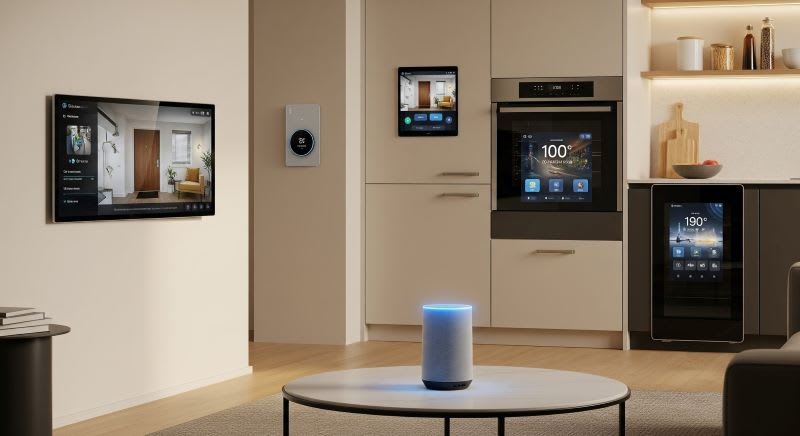
A central voice assistant like Amazon Alexa or Google Home ties all your smart devices together. Instead of managing multiple apps, you can control lights, locks, and thermostats through simple voice commands.
This upgrade works especially well for elderly family members who may find app-based controls difficult to use.
8. Smart Irrigation for Gardens
If you have a garden or lawn, a smart irrigation system can automate watering based on weather and soil moisture data. This saves water and keeps plants healthier without manual effort. (Internal link opportunity: link to a low-maintenance garden ideas article here.)
Frequently Asked Questions
1. What are the best smart home upgrades for beginners? Smart lighting and smart plugs are the easiest and most affordable starting points for beginners.
2. Do smart home upgrades increase property value? Yes, homes with basic automation like smart locks, cameras, and thermostats are increasingly attractive to buyers and renters.
3. Are smart home devices safe from hacking? Choosing reputable brands, using strong passwords, and keeping firmware updated significantly reduces security risks.
4. How much does it cost to make a home smart? Costs vary widely — you can start with a single smart plug or bulb affordably, or invest more in a full smart security and automation setup.
5. Do smart home upgrades work during power cuts? Most devices require electricity and Wi-Fi to function, though some, like smart locks, have battery backups for continued use.
6. Which smart home upgrade saves the most money? Smart thermostats and energy-monitoring smart plugs typically offer the highest savings on electricity bills over time.
Conclusion
Smart home upgrades aren’t just about convenience — they genuinely improve security, save energy, and add long-term value to your home. Whether you start small with smart lighting or invest in a full security setup with cameras and smart locks, each upgrade brings real, noticeable benefits.
Pick one upgrade from this list that matches your current needs and budget, and take the first step toward a smarter, safer home today.